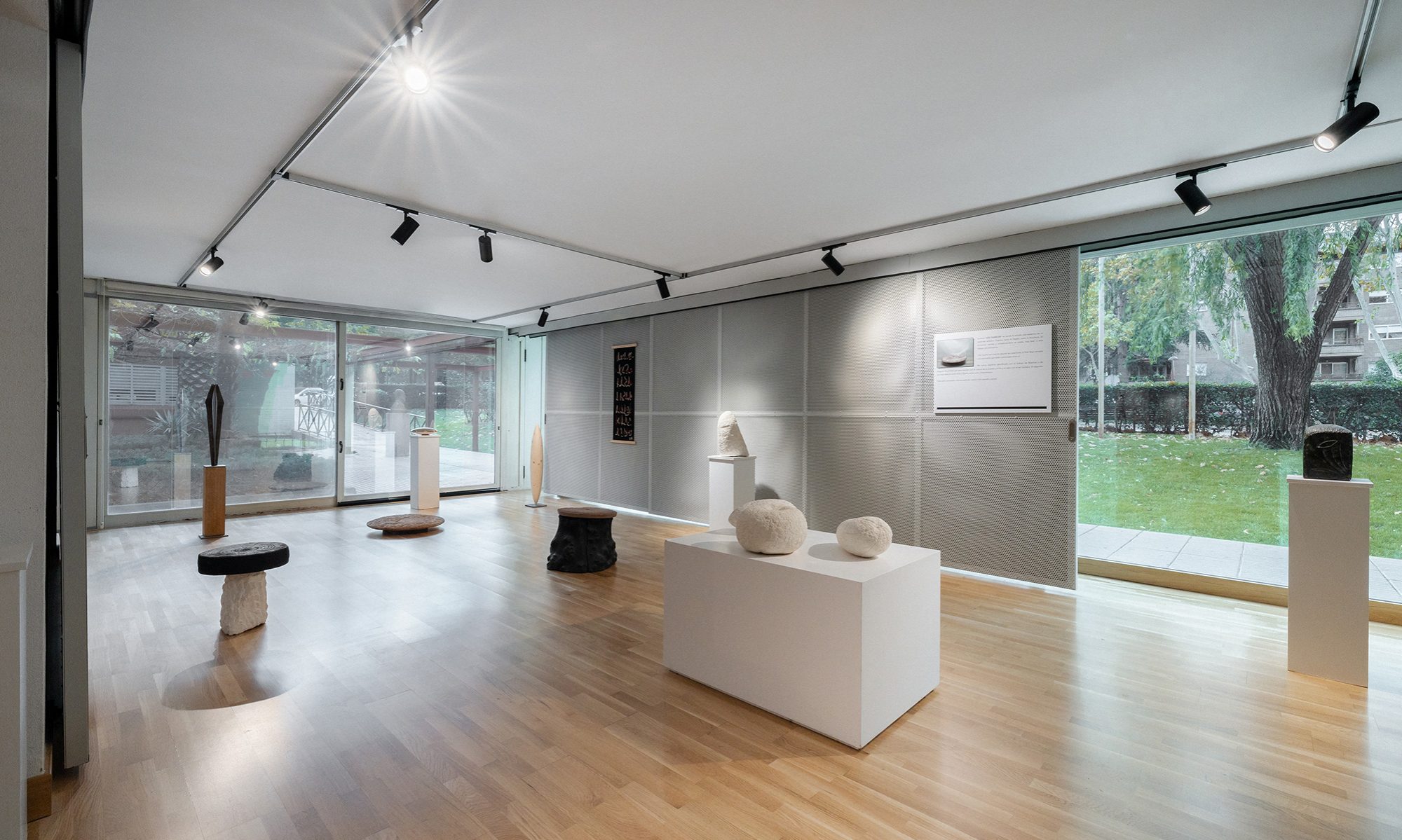

Sculptures for roundabouts and public spaces such as squares, parks and gardens play a far more important role than that of a mere decorative feature. When well-designed, they have the power to transform a space, give it an identity and become a visual landmark for those who spend time there every day.
The importance of integration with the surrounding environment
The success of a public sculpture does not depend solely on its size. What is truly important is that the work engages with its surroundings and blends harmoniously into the landscape. This establishes a balanced relationship with the architecture, vegetation and urban space around it. A good public sculpture does not merely occupy a space: it transforms it and gives it an identity. To achieve this, each project requires a preliminary study of the site. This is by using photographs, scale models and an analysis of the different perspectives from which it will be viewed.
In the case of roundabouts, there is also one essential factor: road safety. The artwork must capture attention without distracting the driver or causing visual confusion. The aim is for it to form part of the landscape in a balanced way, lending character to the place without interfering with its function.

Design, materials and construction
Creating a monumental sculpture requires a very different process to that of a work intended for indoor use. In addition to the artistic design, it is necessary to consider the most suitable materials to withstand environmental conditions, corrosion and the wear and tear caused by outdoor exposure.
The most commonly used materials are Corten steel and stainless steel, due to their strength and durability. However, rot-resistant woods such as iroko, cedar or Melis pine may also be used when the project requires it. Furthermore, these sculptures usually require a solid foundation and secure anchoring systems to ensure their stability.


A team effort
Throughout my career, I have had the opportunity to work on a variety of projects for roundabouts, public squares and private spaces. Each one has been a unique and enriching experience, as creating a public sculpture involves a process that is very different from the work carried out in the studio.
In addition to the design and execution of the work, it is necessary to coordinate numerous professionals. This includes architects, engineers, metalworkers, transport companies, installation teams and crane operators. Similarly, collaboration with local councils and public authorities is essential to ensure that the installation meets both technical and urban planning criteria.
Far from limiting creativity, these requirements enable the development of proposals that preserve the artist’s creative identity whilst responding to the specific characteristics of each space.
Well-integrated sculptures for roundabouts and public spaces not only enhance the appearance of a roundabout or a park; they also help to create memorable places that local people recognise and feel are part of their everyday environment.
In this section, I present a selection of sculptures and proposals designed to be integrated into urban environments. Works that seek to establish a respectful dialogue with the space, enrich the landscape and become visual landmarks for those who live alongside them day in, day out. My aim is to create sculptures that go beyond their decorative function and help to build places with identity, memory and meaning.
Jean Baptiste van den Heede